- Creative Automation
- Posts
- Google Buys Its Way Into AI Chips
Google Buys Its Way Into AI Chips
PLUS: ASML's China Mystery and AI Grid Fast Lanes

Creative Automation
June 19, 2026
In partnership with

AI infrastructure is starting to look less like software and more like heavy industry with better dashboards.
This week: Google borrows Nvidia's financing tricks, export controls get messy around ASML, regulators try to speed-run power access for data centers, and Europe moves closer to calling the big clouds gatekeepers.
💰 Google borrows Nvidia's AI chip playbook
🔓 Older iPhones get a BootROM headache
🕵️ ASML lands in the export-control hot seat
⚡ AI data centers get a grid fast lane
🇪🇺 Europe takes aim at cloud lock-in
🔍 + 5 sharp tools for builders and operators
P.S. Move this email to your primary inbox to make sure you do not miss the useful bits.
First time reading? Sign up here.
Want to learn more?
Sponsor
AI help, without the trust tax.
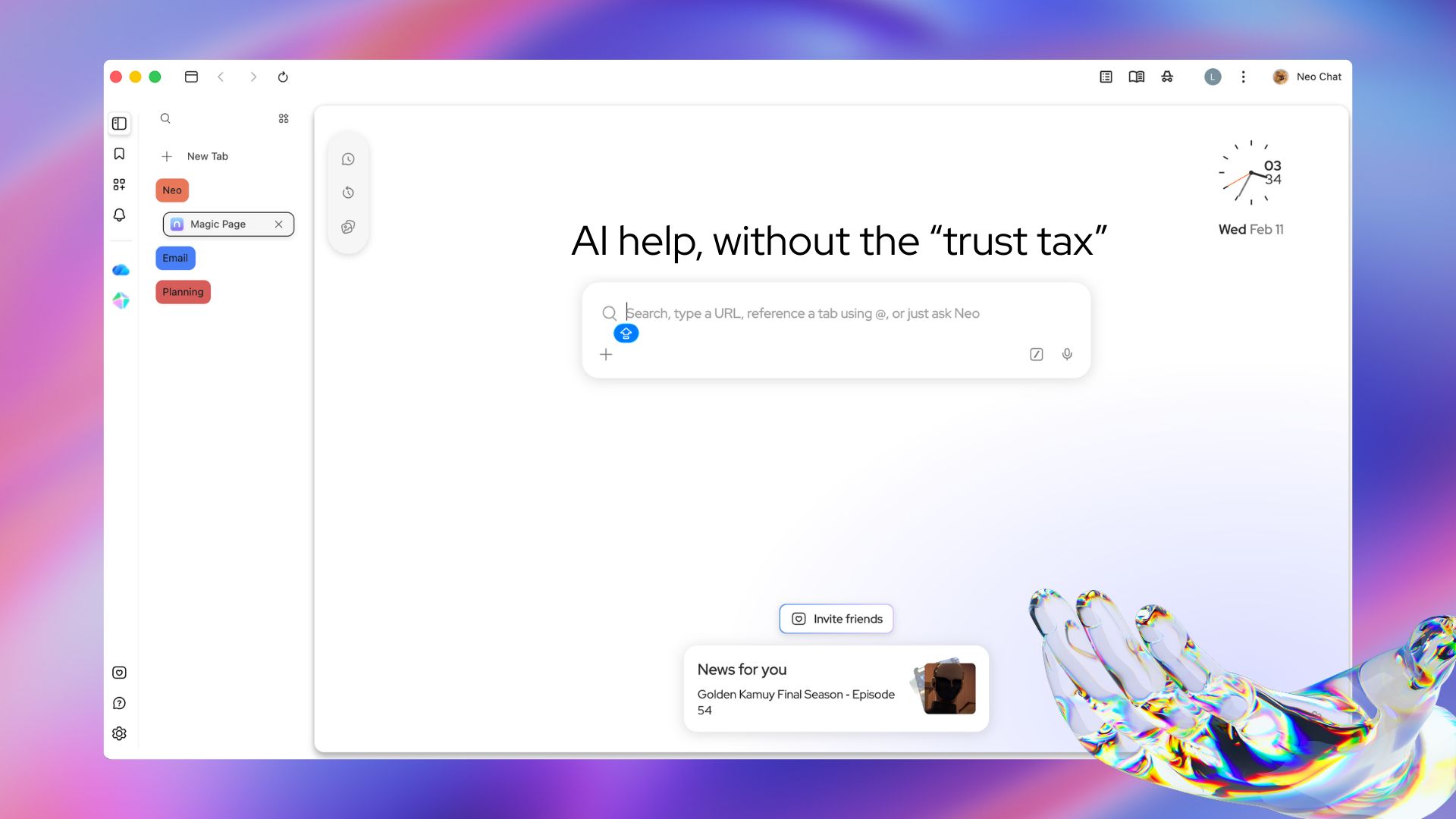
Most AI tools ask you to trade your data for intelligence. Norton Neo doesn't. It's the first safe AI-native browser built by Norton, and it gives you powerful built-in AI without handing your privacy over to get it. Search, summarize, and write with AI built directly into your browser. Your data stays yours. Your context stays private.
Built-in VPN, anti-fingerprinting, and ad blocking come standard. No add-ons. No setup. No compromises.
Fast. Safe. Intelligent. That's Neo.
Business
Google Buys Its Way Into AI Chips
Google is not just trying to sell TPUs. It is helping finance the world where people need them.
The latest move looks very familiar: guarantees, infrastructure deals, and compute leases that make customers more comfortable betting on Google's chips. Nvidia used that playbook to turn demand into an ecosystem. Google is now trying to prove TPUs can be more than an internal advantage for Gemini.
The interesting part is not whether TPUs beat GPUs in every benchmark. It is whether Google can bundle capital, cloud, chips, and model customers tightly enough that buyers stop treating Nvidia as the only safe choice.
Security
Older iPhones Get a BootROM Headache
A reported BootROM exploit called usbliter8 targets Apple's A12 and A13 chips, which means the affected hardware sits in the iPhone XS through iPhone 11 era.
BootROM bugs are ugly because they live below the operating system. You do not fix them with a normal software update. The practical impact may stay niche, but for security researchers, repair shops, jailbreakers, and anyone managing old device fleets, it is the kind of flaw that keeps a second life.
Export Controls
ASML's China Mystery Gets Loud
Washington is reportedly pressing ASML over suspicions that an EUV-related machine or components may have reached China, something ASML says did not happen.
This is the chip war in its purest form: one machine, a global supply chain, and everyone trying to prove what moved where. EUV tools are too strategic to be treated like normal industrial equipment, and every unanswered detail becomes leverage in the next export-control fight.
Energy
AI Data Centers Get a Grid Fast Lane
U.S. energy regulators are telling regional grid operators to move faster on connecting huge power users, with AI data centers clearly at the center of the pressure.
That sounds dry until you remember these facilities can draw power like small cities. The next AI bottleneck is not just chips. It is transformers, interconnection queues, local politics, and who pays when the grid needs upgrades.
Sponsor
200+ Proven Ways to Make Money With AI in 2026
The next wave of millionaires will be people who figured out how to make AI work for them.
The window to get ahead is still open. But not for long.
Here are 200+ proven ways to make money with AI in 2026.
Sign up for Superhuman AI, the free daily newsletter read by 1M+ professionals, and get instant access to all 200+ ways to profit from AI this year.
Cloud
Europe Comes for Cloud Lock-In
The European Commission is expected to move closer to treating AWS and Azure as Digital Markets Act gatekeepers, a label that could force more interoperability and less lock-in.
Cloud used to feel like plumbing. Now it is policy infrastructure. If regulators decide hyperscalers are unavoidable gateways, the next fight will be about switching costs, default services, and whether AI workloads make cloud dependence even harder to unwind.
Trending
AI Tools of the Week
📣 K:AI Marketing Agent
Reads your website and turns it into on-brand campaigns ready to approve and launch, which is useful if your marketing backlog is just vibes and guilt.
🔌 API to MCP
Turns REST, GraphQL, and SaaS APIs into hosted MCP servers, so agents can stop pretending every workflow starts and ends with a browser tab.
🧑💻 Claude Code Artifacts
A desktop app for running parallel Claude coding sessions across repos, with diff review, file editing, and terminal work in one place.
💬 Zernio WhatsApp API
Messaging infrastructure for adding WhatsApp inboxes, analytics, and app integrations without wrestling Meta's native API directly.
🦆 QuackScreen
A macOS notch tool for grabbing clips and screenshots, then dragging them straight into another app without uploading your files first.
Thanks for stopping by!
Have some feedback or want to sponsor this newsletter?
BTW - I keep my inbox organized in Meco, game changer for inbox sanity.
Not a subscriber? Sign up for free below.